





CUSTOMER COMPLAINTS
We are sorry if we have caused any inconvenience to you. Please fill up the form below with your details. Our customer support staff will make sure we address your issue at the earliest.
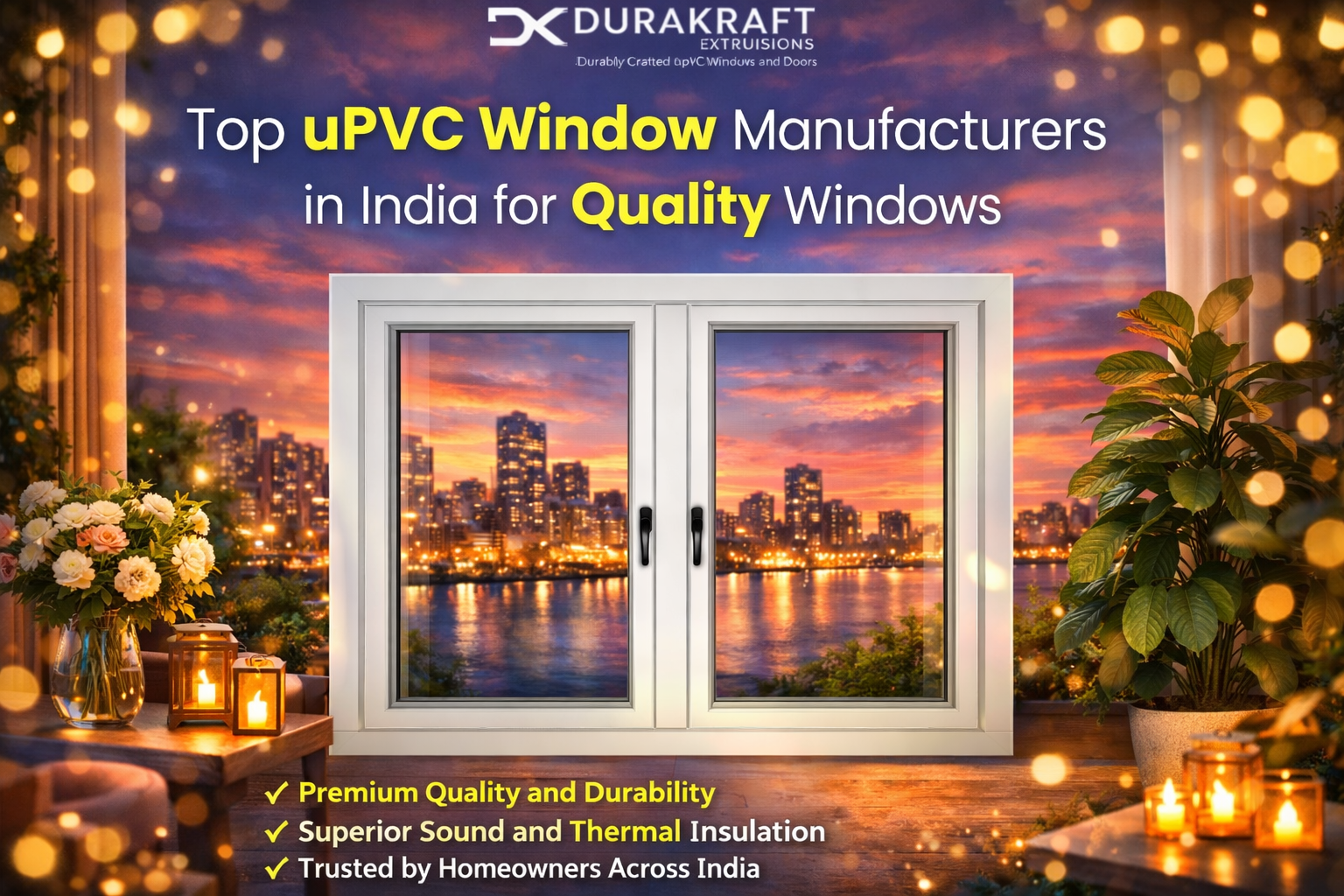
Choosing the right windows is one of the most important decisions when building or renovating a home. Windows influence natural light, ventilation, energy efficiency, security, and the overall appearance of a property. With modern construction focusing on durability and sustainability, many homeowners, architects, and builders are now looking for solutions that offer long-term value. This is why best uPVC windows in India have become a preferred choice for residential and commercial projects.
Among the different window styles available today, uPVC casement windows stand out for their excellent ventilation, strong sealing performance, and elegant design. Unlike traditional wooden or metal windows, they are designed to withstand changing weather conditions while requiring very little maintenance. Their ability to combine functionality with aesthetics makes them suitable for apartments, villas, offices, schools, hospitals, and commercial buildings.
In this guide, you’ll learn what makes a high-quality uPVC window in India, how casement windows work, their technical features, benefits, and how to choose the right window system for your project.
The best uPVC windows in India are not defined by appearance alone. Their performance depends on the quality of the profile, hardware, glazing, sealing system, and installation. A well-designed window should provide durability, smooth operation, thermal insulation, and long-term reliability.
Here are the key factors that define a quality uPVC window in India system.
1. High-Quality uPVC Profiles
The profile is the main structure of the window. It supports the glass, hardware, and locking system while maintaining the overall strength of the window.
Premium uPVC profiles are designed to:
A well-manufactured profile also contributes to better insulation and smoother operation.
Modern uPVC windows are manufactured with multiple internal chambers inside the profile.
These chambers help:
This design allows the window to perform efficiently in both hot summers and cooler winters, making it suitable for different climatic conditions across India.
Although uPVC is strong, larger windows often require additional structural support.
Steel reinforcement is placed inside the profile to improve:
This is particularly important for large openings and multi-storey buildings where windows are exposed to higher wind pressure.
The performance of a window depends not only on the frame but also on the hardware used.
Quality hardware includes:
Reliable hardware improves both security and user experience while extending the life of the window.
Weather seals play a crucial role in preventing water, dust, and air from entering the building.
Modern uPVC windows in India use high-quality rubber gaskets that create a tight seal between the sash and the frame.
Effective sealing helps improve:
uPVC casement windows are one of the most popular window styles used in modern buildings. They are attached to the frame using hinges and open either inward or outward, depending on the design.
Unlike sliding windows that move along a track, casement windows open fully. This allows better ventilation and provides a wider opening for fresh air.
Because the window closes tightly against the frame, it creates a stronger seal that improves insulation and weather protection.
These windows are commonly used in:
Their combination of performance and modern design makes them suitable for a wide range of architectural styles.
The working mechanism of a casement window is simple yet highly effective.
The window sash is connected to the frame with durable hinges. When the handle is turned, the locking points disengage, allowing the sash to swing open. Once closed, the locking system pulls the sash tightly against the frame, creating a secure and weather-resistant seal.
This design offers several practical advantages:
It is one of the reasons why many architects recommend casement windows for homes that prioritize ventilation and energy efficiency.
Understanding the main components of a window helps buyers make informed decisions.
The profile forms the outer structure of the window and provides overall strength.
The sash is the movable part of the window that holds the glass and opens or closes.
The glass can be selected based on project requirements, including clear glass, toughened glass, laminated glass, or double glazing.
Strong hinges support the sash and ensure smooth operation over time.
Instead of locking at a single point, modern casement windows lock at multiple locations around the frame. This improves security and helps create a tighter seal.
Rubber gaskets prevent rainwater, dust, and unwanted air from entering through the gaps around the window.
Together, these components create a window system that is durable, efficient, and easy to use.
Many homeowners choose uPVC casement windows because they offer a practical balance of performance, comfort, and style.
Excellent Ventilation
Since the entire sash opens, fresh air can circulate more effectively compared to many other window styles.
This makes casement windows ideal for bedrooms, kitchens, and living areas where proper airflow is important.
Better Energy Efficiency
One of the biggest technical advantages of casement windows is their ability to form a tight seal when closed.
This helps reduce unwanted heat transfer and supports better indoor temperature control.
When paired with double-glazed glass, they can further improve thermal performance and contribute to lower energy consumption.
Enhanced Security
Security is an important factor for every homeowner.
Modern casement windows are equipped with multi-point locking systems that secure the sash at several locations. Combined with reinforced profiles and quality hardware, this provides better protection against forced entry.
Low Maintenance
Unlike wooden windows that may require regular painting or polishing, uPVC windows are designed for easy maintenance.
Routine cleaning with a soft cloth and mild soap is usually enough to keep them looking clean and functioning smoothly.
Modern Appearance
Today’s homeowners prefer clean, elegant designs that complement contemporary architecture.
uPVC casement windows are available in different colours, finishes, and configurations, making it easy to match different design preferences while maintaining a modern appearance.
Yes. If you are looking for windows that provide excellent ventilation, strong insulation, improved security, and low maintenance, uPVC casement windows are an excellent choice. Their durable construction and energy-efficient design make them suitable for a wide range of residential and commercial applications across India.
India experiences different weather conditions throughout the year, from intense summer heat and heavy monsoon rains to high humidity in coastal regions. Choosing a window system that performs well in these conditions is essential. This is one of the reasons why many homeowners and builders consider the best uPVC windows in India a reliable long-term investment.
Excellent Weather Resistance
Unlike traditional wooden windows, uPVC does not absorb moisture, swell, or crack during the rainy season. It is also resistant to rust and corrosion, making it suitable for different climates across the country.
When installed correctly with quality seals, uPVC windows in India help prevent rainwater, dust, and outside air from entering the building.
Better Thermal Insulation
One of the biggest advantages of a quality uPVC windows in India system is its ability to reduce heat transfer.
Multi-chamber profiles and proper sealing create an insulating barrier between indoor and outdoor temperatures. When paired with double-glazed glass, the window can further improve energy efficiency by reducing heat gain in summer and helping maintain indoor comfort.
Although insulation alone will not eliminate the need for air conditioning, it can contribute to improved energy efficiency over time.
Improved Noise Reduction
Homes located near highways, markets, schools, or commercial areas often experience unwanted outside noise.
A well-designed window system with quality glazing and proper sealing can significantly reduce external sound, creating a quieter indoor environment for work, study, and relaxation.
Long-Term Durability
Quality uPVC profiles are manufactured to withstand daily use and changing weather conditions.
They are resistant to:
With routine cleaning and proper maintenance, uPVC windows in India can provide reliable performance for many years.
With many products available in the market, selecting the right window system requires more than comparing prices.
Consider these important factors before making a decision.
Check the Profile Quality
The profile is the backbone of the window. Choose a manufacturer that uses high-quality uPVC profiles designed for strength, durability, and weather resistance.
Look for Steel Reinforcement
Large windows require additional structural support.
Steel reinforcement inside the profile improves stability and helps the window perform better under wind pressure.
Select the Right Glass
Different projects require different types of glazing.
Some common options include:
The right glass depends on your location, budget, and performance requirements.
Evaluate the Hardware
Hardware directly affects how the window performs every day.
Look for:
Reliable hardware improves both convenience and security.
Professional Installation Matters
Even a premium window may not perform well if it is installed incorrectly.
Professional installation ensures:
Always choose experienced installers who follow recommended installation practices.
Many buyers focus only on the initial cost and overlook factors that affect long-term performance.
Avoid these common mistakes.
Buying Only Based on Price
A lower price may sometimes mean compromises in profile quality, hardware, or installation.
Instead of choosing the cheapest option, compare overall quality and long-term value.
Ignoring Hardware Quality
Locks, hinges, and handles are used every day.
Poor-quality hardware can affect the operation of the entire window system, even if the profile itself is strong.
Choosing the Wrong Glass
Not every glass option is suitable for every project.
For example:
Understanding your requirements before selecting the glass helps improve overall performance.
Overlooking Installation Quality
Incorrect installation can lead to:
Proper installation is just as important as choosing a quality product.
One reason homeowners prefer uPVC windows in India is that they require very little maintenance.
To keep them in good condition:
These simple steps help maintain smooth operation and extend the life of the window system.
Casement windows open inward or outward using hinges, while sliding windows move horizontally on tracks. Casement windows generally provide better ventilation and a tighter seal when closed.
Yes. Quality uPVC windows are designed to withstand heat, rain, humidity, and UV exposure, making them suitable for a wide range of climatic conditions across India.
The lifespan depends on product quality, installation, and maintenance. High-quality uPVC windows in India can provide reliable performance for many years when properly maintained.
Yes. Multi-chamber profiles, weather seals, and suitable glazing help reduce heat transfer and improve indoor comfort.
No. Unlike wooden windows, uPVC does not require painting or polishing. Regular cleaning is usually sufficient.
Yes. Modern systems are equipped with multi-point locking mechanisms, reinforced profiles, and durable hardware to improve security.
The ideal glass depends on your needs. Double glazing is suitable for insulation and noise reduction, while toughened or laminated glass is often chosen for additional safety.
Look at the profile quality, reinforcement, glazing options, hardware, warranty, and installation support before making a purchase.
Follow us on Instagram – Durakraft Extrusions
uPVC Windows vs Old Windows: When Should You Upgrade?
Top 10 uPVC Windows and Doors Profile Manufacturers in India
Best Modern uPVC Doors and Window Designs in 2026
uPVC vs Wood Windows and Doors: Why uPVC Is the More Practical Choice for Most Modern Homes
10 Mistakes to Avoid When Choosing uPVC Windows and Doors
uPVC Building Materials: A Complete Guide to Modern Home Solutions
Best uPVC Windows and Doors in India: How to Choose the Right Manufacturer
uPVC Frames Buying Guide: How to Choose the Right uPVC Window and Door Frames
How to Choose the Best uPVC Door and Window for Your Home
How to Choose the Right Sound Resistant uPVC Windows and Frames
Copyright 2025 All Rights Reserved, Durakraft | Site Designed by CITEC