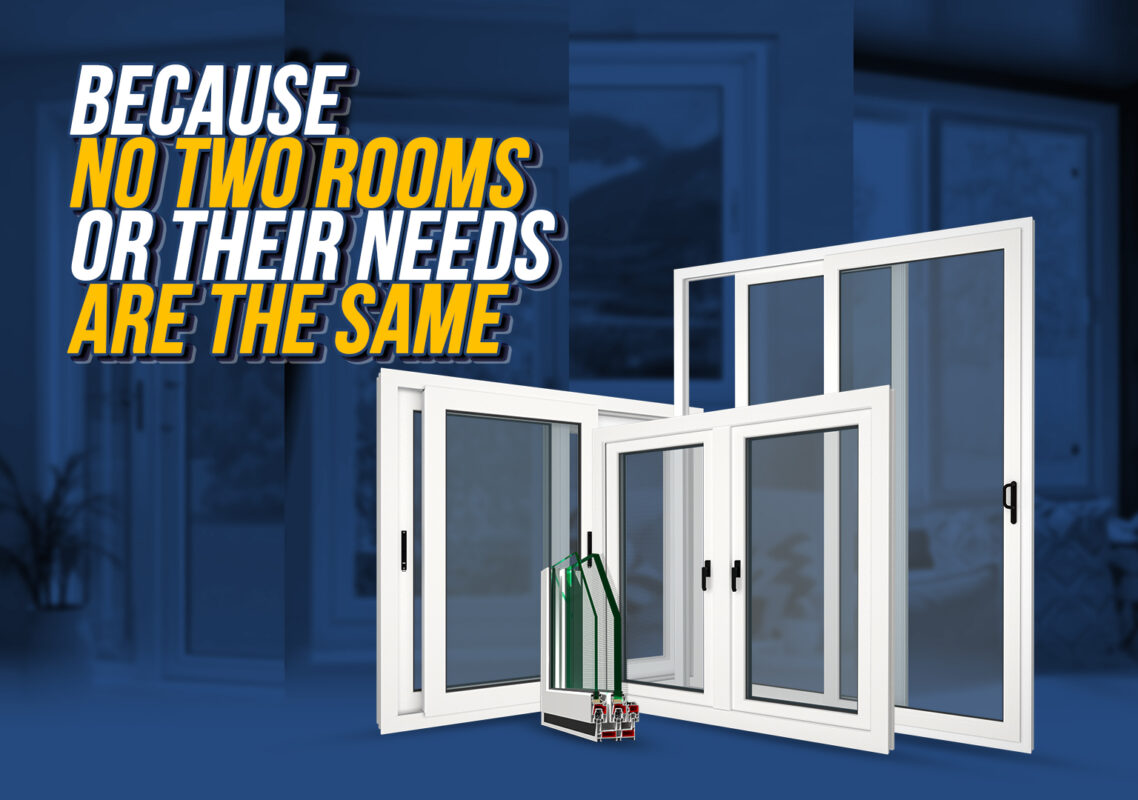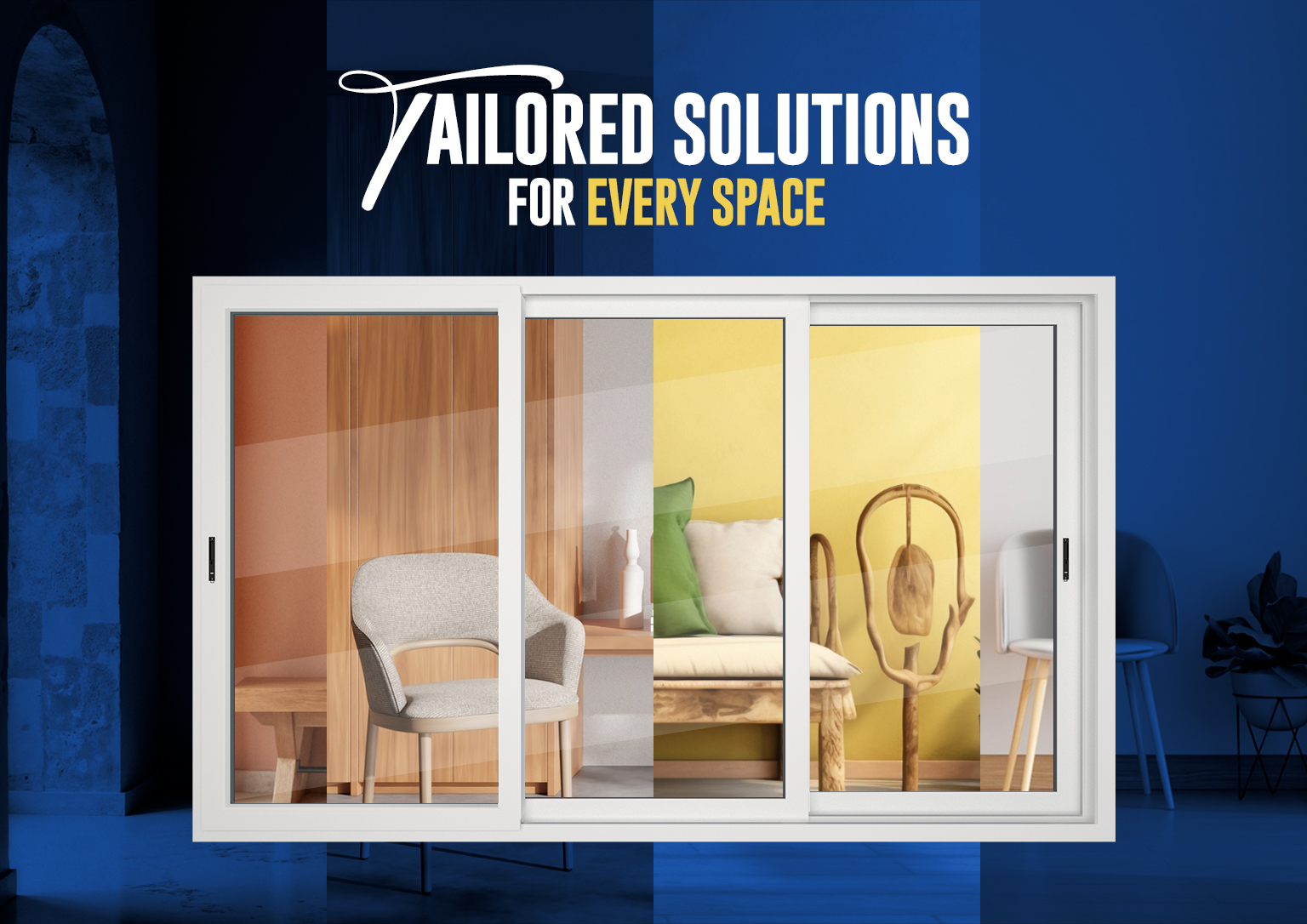
Modern homes are great examples where the fusion of functionality and aesthetics takes place through the appropriate selection and installation of the windows. Besides letting in fresh air and sunlight, they also add incremental value to the aesthetic statement of a property. Today, uPVC or unplasticized polyvinyl chloride has emerged as a big element in the establishment of smart properties because it is light, energy-efficient, and can go with any type of design.
Selecting the right uPVC window style for each room in your home can be quite a difficult task with all the myriad types and configurations, isn’t it? Let’s try to break it down room-wise.
Living Room
In the living room of a house, one entertains guests and spends time with their family. Thus, windows should illuminate the room with natural light, offer an unobstructed view, and allow the smooth flow of air. Sliding windows that move horizontally without eating up room space provide a panoramic view on wide walls and are counted among the best solutions for living rooms. Casement windows are another good option if ventilation is a prime requirement, as they can be angled to capture the breeze effectively.
Bedroom
Bedrooms require windows that balance ventilation, insulation, and privacy, with soundproofing being an added advantage, particularly in urban settings. Deftly designed windows can ensure all such features if chosen with care. Tilt and turn uPVC windows are the perfect match since they offer proper ventilation and are easy to maintain. They can tilt inward for gentle airflow or swing fully open for an unrestricted passage. The other best option is a casement with frosted glass, which allows light to enter while keeping the room private.
Kitchen
Kitchen windows should facilitate cross-ventilation, ensure easy cleaning, and enhance safety, all while accommodating space limitations typically found above counters or sinks. Sliding uPVC windows are a practical choice as they open effortlessly without obstructing countertop space. Vertical sliding windows are equally effective as they don’t consume enough space and allow required ventilation, making them ideal for the kitchen environment.
Bathroom
Windows in the bathroom should be water-resistant and efficient in providing proper ventilation without compromising on privacy. For this purpose, awning uPVC windows with opaque or frosted glass are a good option. They can preserve privacy and facilitate the outflow of steam and humidity. For small bathrooms, fixed windows with a ventilator are a viable solution, as they maintain airflow without disturbing the layout.
Children’s Room
Tamper-proof locking and shatter-resistance should be the unavoidable features of uPVC windows in the rooms dedicated to children. To ensure safety, ventilation, and cleanliness, tilt and turn windows are the best choice because they offer proper ventilation without having to keep the window open completely. Likewise, casement windows graced with childproof locking features will be brilliant alternatives, as they provide the best combination of ventilation and safety.
Final Thoughts
Although uPVC offers one of the best sundries, the real trick consists in using the right style and configuration for the area. Whether it is those big scenic frames in the living room or the more secure, water-resistant ones in the bathroom, each window style should match the room’s function and look great.
Reputed uPVC brands like Durakraft cater to its customers a vast array of windows with cutting-edge designs and eco-friendly formulations, utilising precision engineering. With Durakraft solutions, homeowners can achieve a cohesive look throughout their home, maintaining both quality and efficiency.